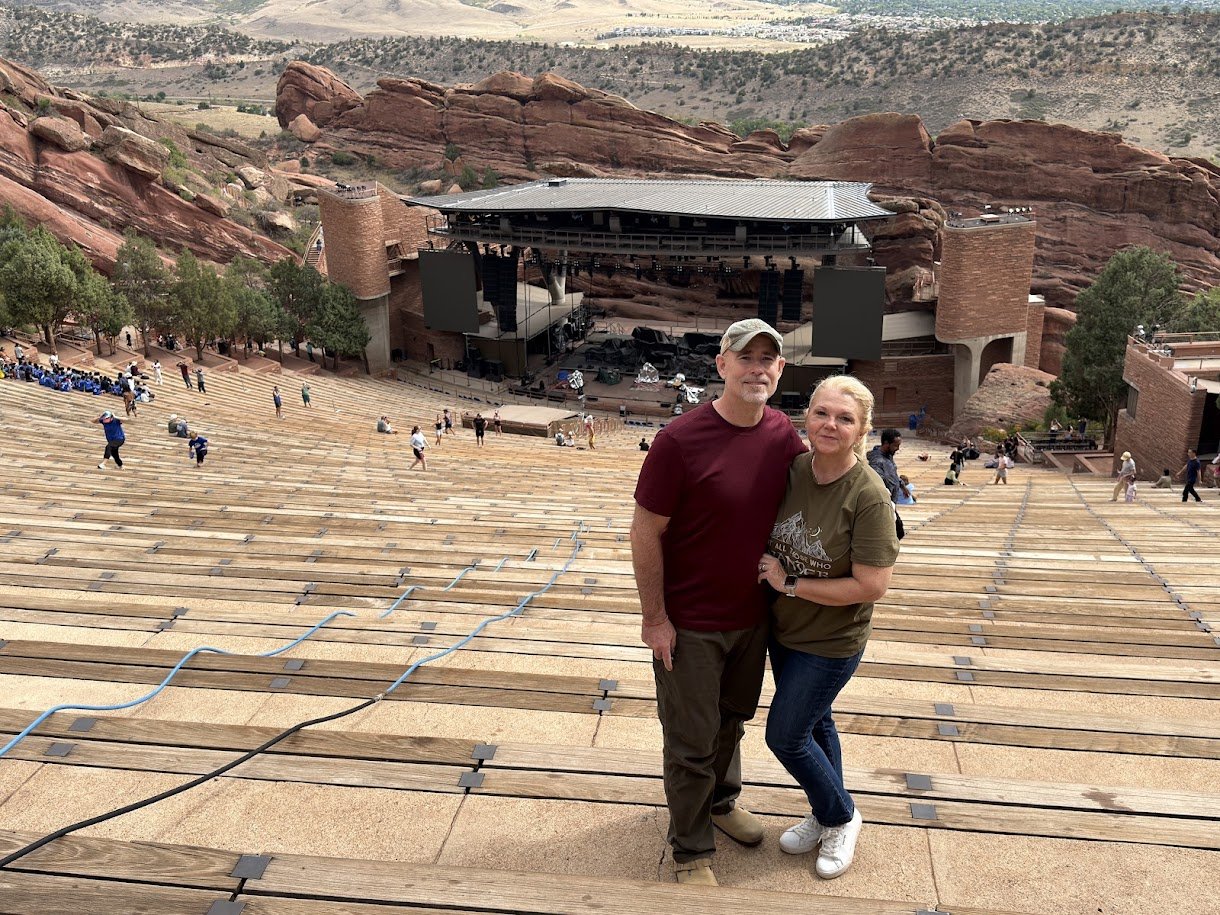
Red Rocks Park and Amphitheater
Stunning, unforgettable, and impeccably maintained. Even without catching a show, Red Rocks exceeded every expectation. The park’s natural sandstone formations are breathtaking up close; the views of Denver and the surrounding foothills are panoramic and vivid. Walking the trails felt both serene and energizing — well-marked paths, clean facilities, and plenty of spots to pause and take it all in.
The Amphitheater itself is a masterclass in natural design and acoustics. Seeing the stage framed by towering red rock walls was a highlight; you can easily imagine how powerful the sound must be during a concert. The visitor center/museum is informative and well-curated, offering history and context without feeling crowded. Parking and access were straightforward, and staff were friendly and helpful.
Ideal for photographers, hikers, families, and anyone who appreciates spectacular natural scenery paired with thoughtful preservation. If you’re near Morrison, make time for Red Rocks — it’s one of Colorado’s crown jewels. Highly recommended.

Denver Zipline Tires
What a phenomenal experience from start to finish. The entire zipline tour was an absolute blast — thrilling lines, stunning mountain views, and a great balance of adrenaline and safety. The course is well designed with varied zip lengths and a few surprises that kept the excitement high without feeling reckless.
The guides were the highlight: professional, knowledgeable, and genuinely enthusiastic. They walked us through every safety step with clear instructions, helped fine-tune harnesses and helmets, and constantly checked in to make sure everyone felt comfortable. Their storytelling and local insights added personality to the tour, and their encouragement made even the more nervous participants feel confident and supported.
Logistics were smooth: easy check-in, timely group flow, and clean, well-maintained equipment. The staff managed groups efficiently so there was minimal waiting between lines. The setting in Conifer is beautiful — pine forests, mountain panoramas, and plenty of photo opportunities. Bring a camera (or use the guides’ suggestions for shots) and wear sturdy shoes.
This is perfect for families, groups of friends, or anyone looking to add an unforgettable outdoor adventure near Denver. Highly recommend Denver Adventures — Zipline Tours for a fun, safe, and expertly run zipline outing.
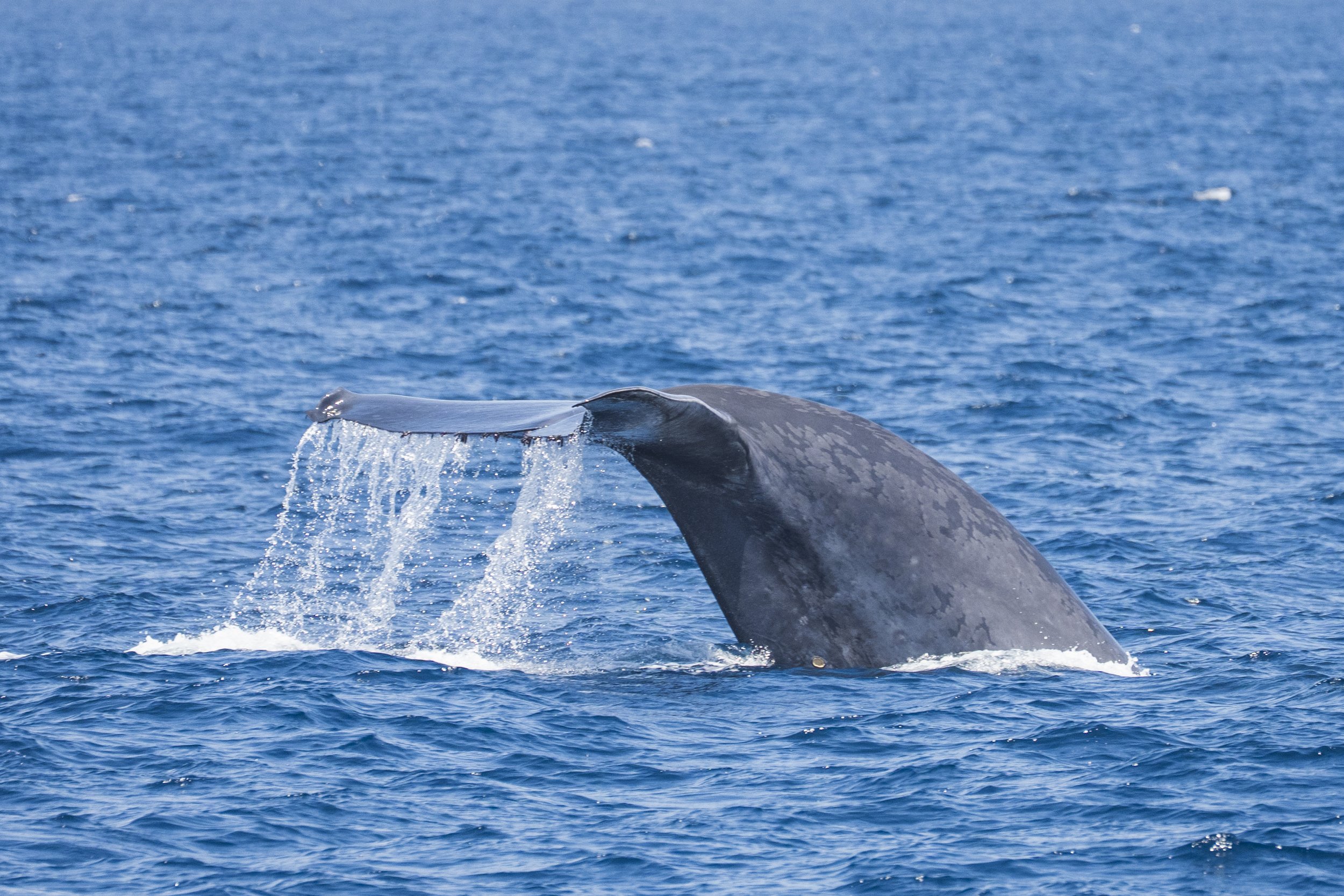
Whale and Watch Tour in San Diego
Whale and Watch Tour in San Diego
Overview San Diego’s Whale and Watch tours offer a reliable, comfortable way to see marine life—primarily migrating gray whales (winter–spring) and blue, fin, and humpback whales (summer–fall)—as well as dolphins, sea lions, and seabirds. Tours depart from multiple locations (commonly downtown or Mission Bay) and range from 2.5 to 4 hours. Expect a mix of naturalist narration, binoculars, and opportunities for photos from open decks and shaded seating.
What to Expect
Seasonality: Peak gray whale season runs December through April; blue and humpback sightings increase May through November. Dolphins and sea lions are year-round.
Boat types: Larger catamarans provide stability and indoor seating (better for families and people prone to seasickness). Smaller sportfishing-style vessels can get closer to animals but are rougher in choppy water.
Commentary: Tours typically include onboard naturalists who explain migration patterns, behavior, and local ecology.
Boarding and logistics: Arrive 30–45 minutes early. Bring a government-issued photo ID if required for boarding. Parking varies by departure point; downtown cruises often have paid nearby lots.
Duration and comfort: Tours usually last 2.5–3 hours; extended or sunset cruises run longer. Restrooms are onboard; snacks, coffee, and light meals may be sold.
Pros
High sighting rates: San Diego’s location on migration routes yields consistently good chances to see whales and dolphins.
Educational value: Naturalist commentary enhances understanding of marine behavior and conservation issues.
Accessibility: Many boats offer sheltered seating and indoor viewing, making trips feasible in variable weather.
Family-friendly: Short duration and the excitement of wildlife sightings suit families and non-expert audiences.
Cons
Weather and sea state: Fog, wind, or swell can reduce visibility and comfort. Calm seas improve the experience.
No guarantee: Wildlife is wild—operators report high success rates but cannot guarantee a sighting.
Crowds: Popular departures (weekends, holidays) fill quickly; larger groups can crowd deck space for photography.
Motion sickness: Even on larger boats, sensitive passengers may experience nausea; medication or wristbands recommended.
Tips for Best Experience
Book in advance for weekends or holiday periods; opt for morning departures for typically calmer seas and better light for photos.
Choose the right boat: pick a larger vessel for comfort and stability, a smaller one if you want a more intimate, faster-paced experience.
Dress in layers: ocean temperatures and wind make mornings chilly even on warm land days; bring a windproof jacket and hat.
Bring binoculars and a camera with a zoom lens (200–400mm recommended). Use continuous shooting mode for breaching or tail-lift shots.
Consider seasickness prevention: take an over-the-counter medication (e.g., meclizine) or use acupressure bands 30–60 minutes before boarding.
Respect wildlife: follow crew instructions—do not attempt to feed, touch, or approach animals outside the vessel’s regulated distance.
Conservation and Responsible Tours Select operators who practice responsible wildlife viewing: maintain proper distances, avoid disrupting feeding or breeding behaviors, and provide educational content about conservation. Many reputable companies contribute to research by reporting sightings to local marine mammal monitoring programs.
Recommended Itinerary Add-Ons
Harbor cruise or bay tour if you want calmer, shorter rides and local history.
Cabrillo National Monument visit for coastal views and tidepooling before or after a tour.
La Jolla kayak or snorkeling tours (summer) for close-up experiences with sea lions and kelp forest life.
Final Assessment San Diego’s Whale and Watch tours are a dependable, accessible way to see large marine mammals and learn about local marine ecosystems. Choose your operator and vessel type according to comfort and expectations, prepare for changing ocean conditions, and prioritize operators that follow responsible wildlife-viewing practices. For a first-time or family experience, a mid-morning catamaran cruise offers the best balance of comfort, stability, and sighting odds.
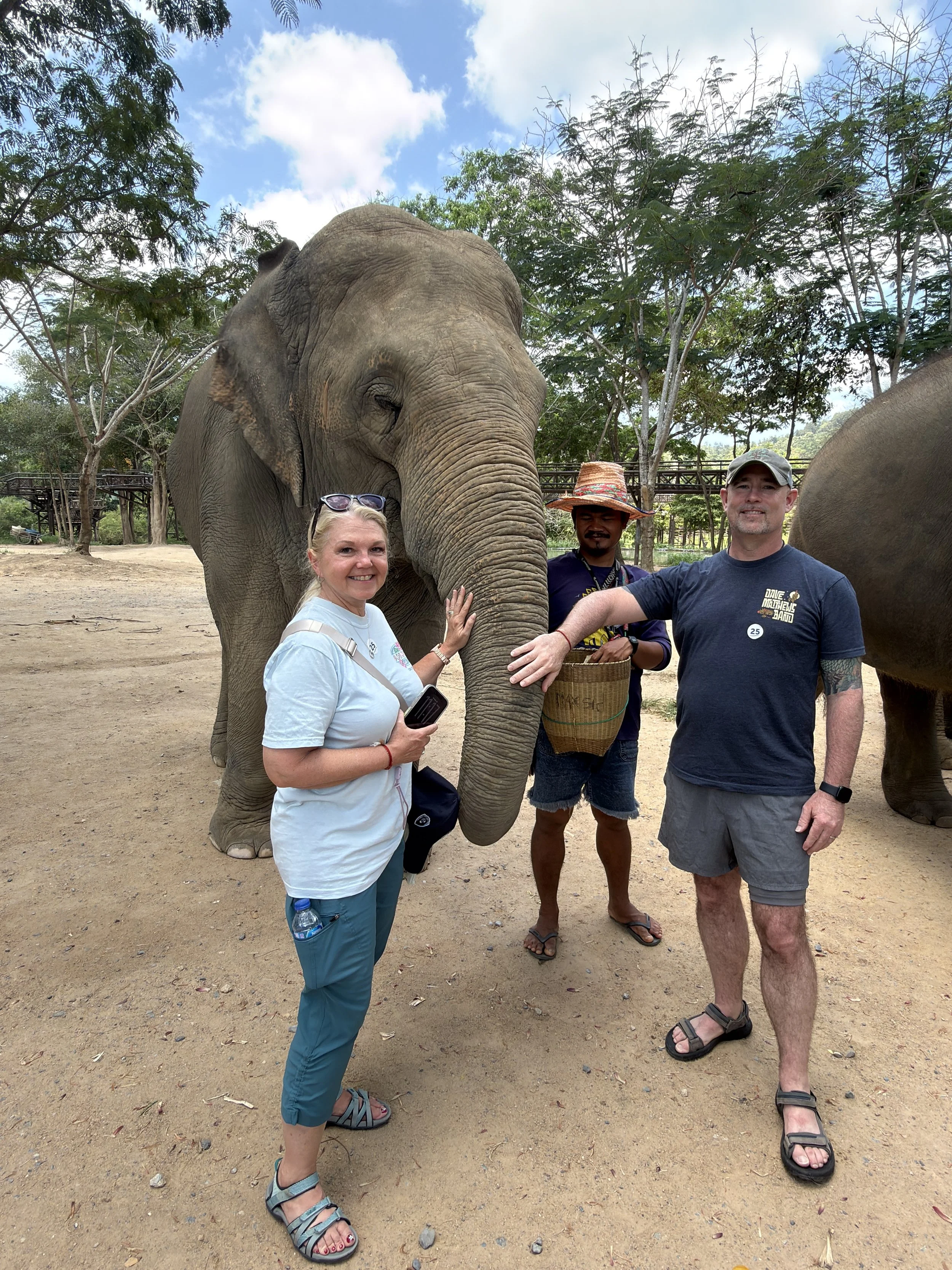
Samui Elephant Sanctuary
Samui Elephant Sanctuary
Overview Samui Elephant Sanctuary (located on Koh Samui, Thailand) presents itself as an ethical refuge focused on rescuing and rehabilitating elephants previously used in logging, tourism rides, and labor. The sanctuary promotes observation-only visits—no riding, no performances—and emphasizes natural behaviors, veterinary care, and gradual social reintegration.
What to expect
Setting: A calm, semi-rural site with shaded enclosures, river access, feeding areas, and walking paths. Facilities are basic but clean; expect rustic comfort rather than luxury.
Animals: Mixed-age Asian elephants (some older, some younger) with varying histories. Staff provide background on individual animals during guided introductions.
Activities: Typical half-day or full-day visit includes arrival orientation, feeding (supervised), guided walks to mud wallows or river, observing bathing, and a talk on elephant care and sanctuary operations. There is no riding or circus-style shows.
Educational focus: Staff members discuss rescue stories, mahout transitions, nutrition, veterinary care, and challenges of elephant welfare in Thailand.
Practical details
Booking: Advance booking strongly recommended, especially in high season (November–March). Group size is limited to prevent overcrowding.
Duration & timing: Half-day programs commonly morning or late afternoon; full-day options include longer on-site time and additional talks.
Cost: Fees are higher than average tourist attractions; this reflects sanctuary operating costs and care for the animals. Confirm what’s included (meals, transfers, donation portions).
Transfers: Many packages include hotel pickup/drop-off; ask about exact pickup windows to avoid delays.
What to bring: Sun protection, light breathable clothing, closed-toe shoes you don’t mind getting muddy, insect repellent, a refillable water bottle, and a small camera. Avoid bright colors or strong fragrances that might disturb animals.
Accessibility: Terrain is uneven in places; not ideal for visitors with limited mobility. Check with the sanctuary for specific accessibility concerns.
Pros
Ethical stance: No-riding, no-performance policy reduces direct exploitation compared with many commercial elephant attractions.
Transparency: Staff-led talks and guided experiences offer context about each elephant’s history and ongoing care needs.
Animal welfare: Visible veterinary structures and individualized care are reported; feeding and bathing observe natural behaviors.
Smaller groups: Limited visitor numbers improve the experience and reduce stress on animals.
Cons and cautions
Mixed reviews on authenticity: Some travelers praise the sanctuary as ethical; others raise questions about the extent of genuine rescue operations versus paid “sanctuary” tourism—due diligence recommended.
Variable visitor experience: Quality can depend on staff on duty and group sizes; some visitors report feeling rushed in busier sessions.
Photo opportunities: While you can get close for photos during supervised feeds and bathing, avoid encouraging unnatural behavior or feeding outside staff guidance.
Costs: Higher fees can be a hurdle; verify what proportion of fees is allocated to animal care versus tourism operations.
Red flags to watch for (if you want to verify ethics)
Elephants made to perform or do tricks for visitors.
Riding options offered by partnered operators.
Lack of visible veterinary facilities or clear information about funding and care.
Large commercial tour buses unloading dozens of visitors at once.
Tips for a responsible visit
Choose small-group morning or late-afternoon sessions to see feeding and bathing at quieter times.
Listen to staff and follow rules—especially around feeding, touching, and approaching elephants.
Ask specific questions: How were these elephants acquired/rescued? What are their long-term care and funding plans? What percentage of fees support direct elephant care?
Consider supporting through donations or sponsoring an elephant if the sanctuary provides verifiable channels.
Cross-check reviews and recent visitor reports to confirm current practices; sanctuaries’ operations can change over time.
Conclusion Samui Elephant Sanctuary offers a more welfare-focused alternative to riding camps and performance venues on Koh Samui, centered on observation, education, and veterinary care. If ethical interaction with elephants is your priority, it’s a strong option—provided you verify recent operations and choose a smaller, staff-led program. Approach with reasonable expectations (basic facilities, variable schedules) and a critical eye toward ensuring your visit supports genuine welfare outcomes.