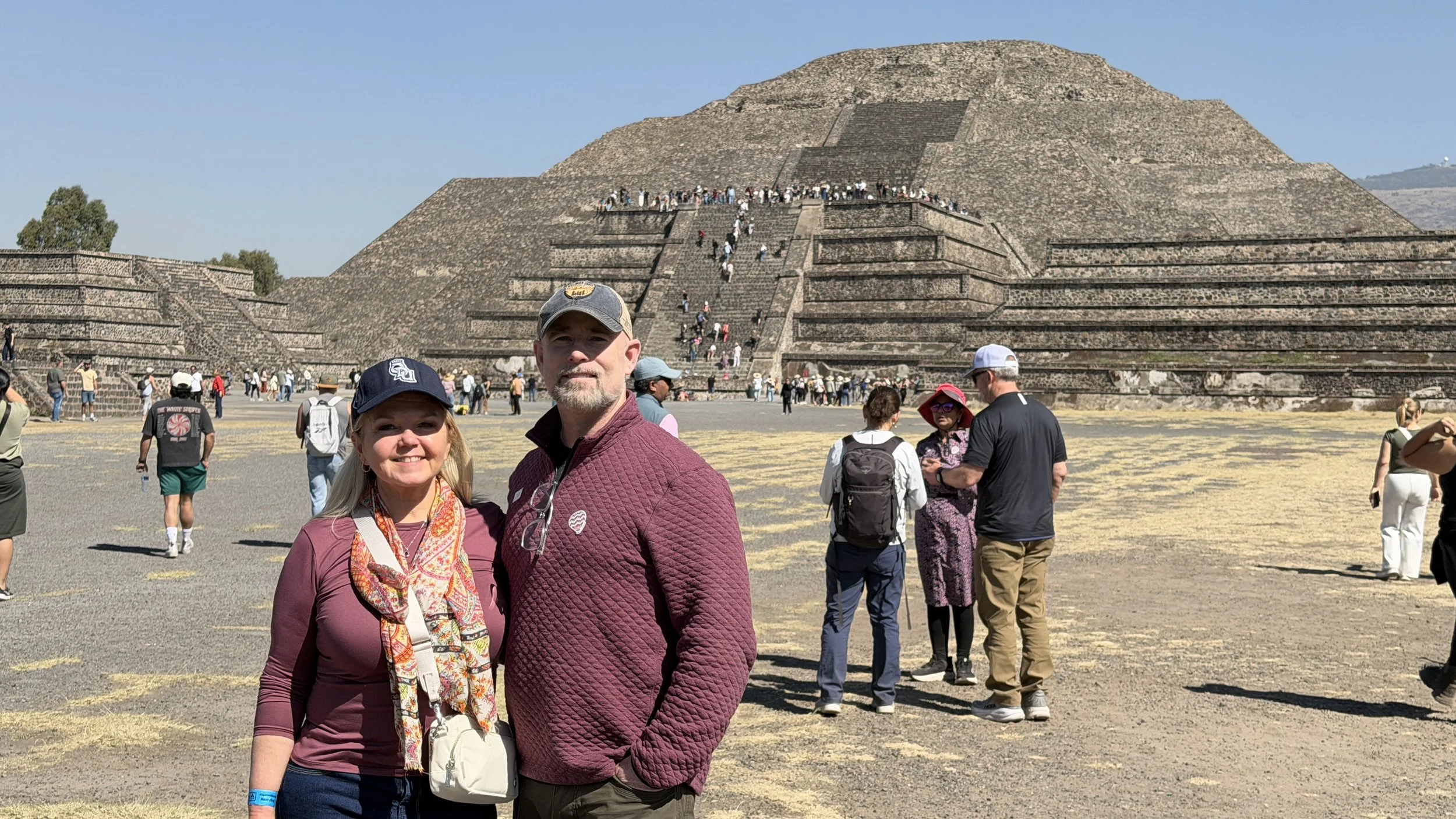
Pyramid of the Sun (Teotihuacán de Arista, Méx., Mexico)
Pyramid of the Sun
Overview The Pyramid of the Sun is the largest structure at Teotihuacán, the pre-Columbian city located about 30 miles (50 km) northeast of Mexico City. Built around 100–200 CE by the city’s inhabitants (whose name is unknown; “Teotihuacán” was given later by the Aztecs), the pyramid is a massive stepped platform rising about 65–75 meters (roughly 213–246 feet) above the city plain. It forms the central axis of Teotihuacán with the Pyramid of the Moon and the Avenue of the Dead.
Why visit
Historical significance: One of the most important archaeological sites in Mesoamerica, offering insights into ancient urban planning, religion, and social organization.
Scale and presence: The Pyramid of the Sun’s size and symmetry make it an imposing and impressive experience in person—particularly at sunrise or late afternoon when light and shadow emphasize its form.
Views: From the top you get panoramic views of the entire Teotihuacán complex and surrounding Valley of Mexico.
Accessibility: The site is reachable as a day trip from Mexico City by car, bus, or guided tour.
What to expect on-site
Layout: The pyramid has broad steps and several terraces. Visitors can climb to the upper platform (subject to local rules and occasional restrictions for conservation or safety).
Crowds: Teotihuacán is a popular attraction—expect significant visitor numbers, especially on weekends and holidays. Early morning or late afternoon visits are quieter.
Facilities: Basic amenities are available near the entrance—ticket booths, restrooms, small museums, and vendors. Food and water are sold nearby but bring a refillable bottle and sun protection.
Terrain: The site is mostly paved and compacted dirt; climbing the pyramid requires moderate physical exertion and sturdy footwear.
Practical tips
Timing: Arrive early (site opens early) to avoid midday heat and larger crowds. Late afternoon can provide dramatic light for photography.
Weather: The Valley of Mexico can be hot and sunny, with sudden rain in summer months. Wear sunscreen, a hat, and layers.
Mobility: The climb involves steep stone steps and uneven surfaces. If you have mobility issues, note that wheelchair access to the pyramid summit is not available.
Conservation: Respect barriers and signage. Large bags and tripods may be restricted.
Photography: Photography is permitted in most areas, but commercial photography may require prior authorization from